Ultimate outdoor guide
Embracing the wilderness through camping
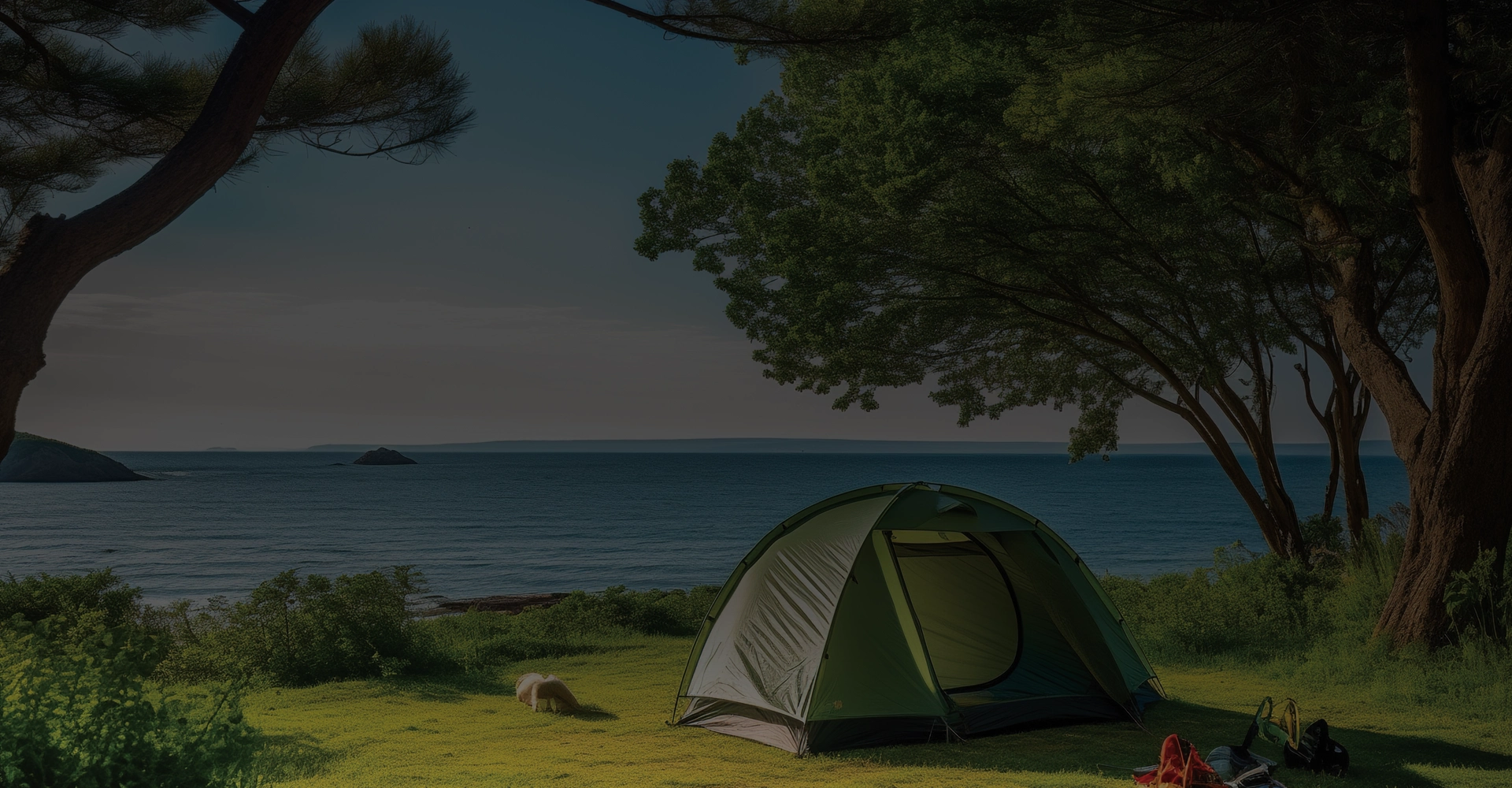
Escaping the city noise allows nature immersion to support mental balance. Fresh air fills the lungs while the sound of rustling leaves replaces traffic, creating a deeper connection with the natural environment that modern living often disrupts entirely.
Diverse camping styles
Selecting the perfect shelter experience
Traditional camping tents offer an immersive connection to the earth, requiring minimal setup time and making tent camping a simple way to stay close to the outdoors. Conversely, recreational vehicles provide home-like amenities including electricity and climate control, combining rugged exploration with the convenience of RV camping for families.

Essential gear list
Packing smartly
Durable equipment
Building a reliable expedition kit
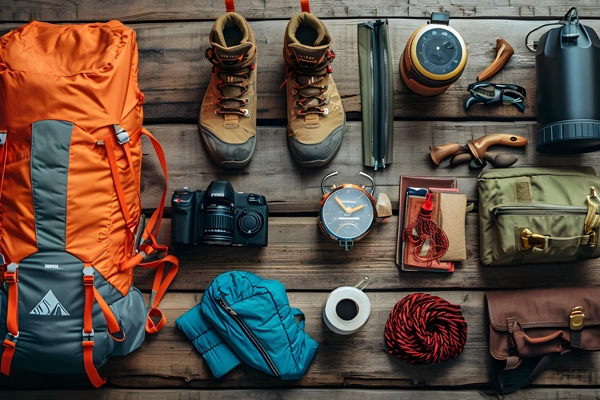
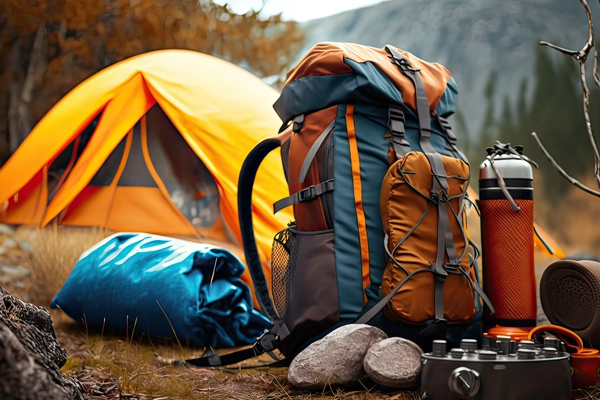
Success in the wild depends heavily on backcountry preparation. A sturdy backpack organizes essential backpacking gear, carrying shelter systems, hydration systems, and navigation tools.
- Sleeping systems rated for specific temperatures ensure warmth.
- Portable water filtration systems help make natural water sources safer.
- Multi-tools handle repairs and food preparation tasks efficiently.
Prioritizing safety in remote environments
Risks exist alongside beauty in the backcountry. Backcountry safety depends on proper planning for weather changes or minor injuries before they escalate into emergencies. Knowledge of the terrain and wildlife behavior provides a practical foundation for terrain awareness and safer decisions outdoors.
Understanding local wildlife behavior
01
Use bear-proof containers for campsite food storage to avoid attracting animals.
Managing fire risks responsibly
02
Clear dry leaves around the fire pit and fully extinguish embers before sleeping.
Navigating without digital signals
03
Carry physical topographic maps and use compass navigation as a backup when electronics fail.
Hydration and water purification
04
For water purification, boil water or use chemical tablets to neutralize bacteria from natural streams.
Weather pattern awareness
05
Monitor weather forecasts closely and prepare layers for sudden drops in ambient temperature.
First aid preparedness training
06
Pack a first aid kit with antiseptics and bandages to treat cuts, blisters, or insect bites immediately.
Choosing the ideal topography
Geography dictates the nature of the adventure. Coastal camping offers rhythmic ocean sounds but requires sand-specific stakes, while forest camping benefits from natural windbreaks. High-altitude camping rewards climbers with panoramic views, though oxygen levels and temperature drops demand robust physical conditioning.
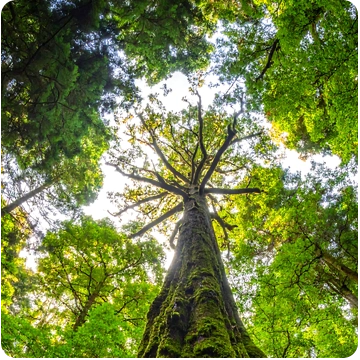
Forest canopies
Ancient woodlands provide shade and hammock camping opportunities, with soft ground ideal for pitching tents near streams.
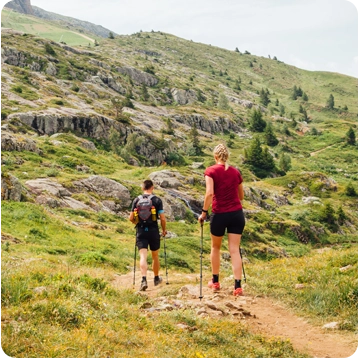
Alpine summits
Rocky terrains challenge hikers with steep ascents, rewarding effort with breathtaking vistas above the tree line.

Freshwater shores
Setting up near calm waters allows for morning kayaking sessions and peaceful fishing at dawn’s light.
Engaging with the natural world
Hiking trails reveal hidden ecosystems. Patient observation allows travelers to witness biodiversity without disturbing the delicate balance.
Respecting the environment ensures preservation for future generations. The « Leave No Trace » principle dictates packing out all waste, minimizing campfire impacts, and respecting wildlife distances. Every footprint should be temporary, leaving the wilderness exactly as found.

Trail hiking
Trekking poles reduce joint strain during long ascents on uneven paths.

Night stargazing
Remote locations free from light pollution reveal the Milky Way clearly.

Bird watching
Binoculars bring distant raptors into focus without disrupting their nesting habitats.

Nature photography
Golden hour lighting captures the textures of bark and stone perfectly.
Mastering the campfire kitchen
Cooking over an open flame imparts a smoky flavor that modern stoves cannot replicate. Cast iron skillets retain heat evenly, making them ideal for searing meats or baking cornbread.
Meal preparation begins at home by chopping vegetables and marinating proteins to save time at the campsite. One-pot meals, like hearty chili or vegetable stew, simplify cleanup. Foil packets allow ingredients to steam in their own juices among the coals, creating tender dishes with minimal cleanup afterwards. Campfire supervision is essential whenever flames are burning.